The Art of Doing Nothing Well
There is a quiet skill that does not get much attention anymore, especially in a culture that places so much value on productivity. It is not about efficiency or output. It is the ability to pause without feeling guilty about it. To sit still without reaching for your phone. To exist, even briefly, without trying to improve or optimize the moment.
Most people are not uncomfortable because they are doing too little. They are uncomfortable because they have forgotten what it feels like to simply be.
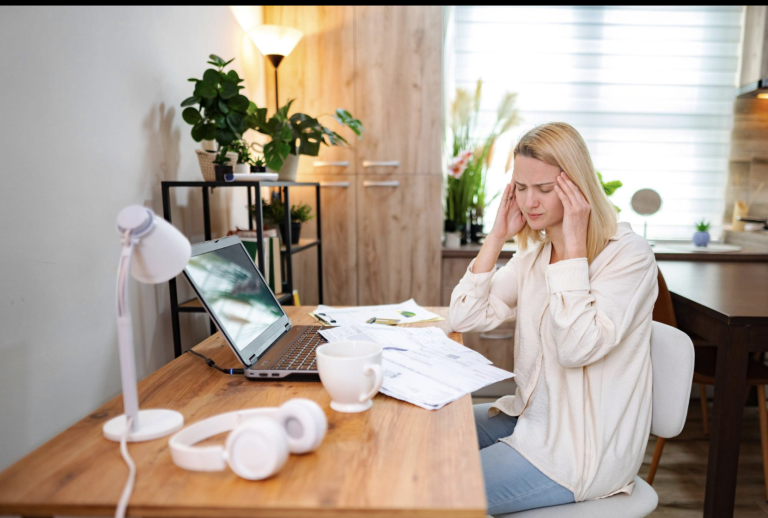
The way most routines are structured now leaves very little room for stillness. There is always something pulling for attention. Notifications, conversations, deadlines, background noise, endless scrolling. Even the moments that are supposed to feel like rest often come with an underlying pressure to make them useful. Sleep is tracked. Time off is planned. Even relaxation starts to feel like something that needs to be done correctly.
Over time, this creates a kind of low-level tension that does not fully go away. It is subtle, but it is there. You can feel it when you try to sit still and your first instinct is to reach for something. Anything.
Doing nothing well is not about being passive. It is not about avoiding responsibilities or checking out. It is actually the opposite. It is a deliberate choice to step away from constant input, even if only for a few minutes, and let your attention settle on its own.
It does not require a major change or a complete reset of your lifestyle. It starts small. Sitting with your coffee in the morning without immediately opening your phone. Going for a walk without needing a destination or something playing in your ears. Letting a quiet moment stay quiet instead of filling it out of habit.
At first, it can feel strange. Sometimes even uncomfortable. That discomfort is not a sign that something is wrong. It is usually a sign that something important has been missing.
When you are not constantly distracted, things have a way of surfacing. Thoughts you have been avoiding. Decisions you have been putting off. Feelings that never quite had space to be noticed. It can feel easier to stay busy than to sit with that. But the value is in staying with it, even briefly.
Over time, those moments start to change. What once felt empty begins to feel like space. And that space matters. It is where things start to make more sense. Your thoughts feel less scattered. Decisions feel less forced. You are not trying as hard to stay focused because your attention is not being pulled in ten different directions at once.
This is also where it becomes easier to be intentional about what you do choose to engage with. Instead of reacting to everything, you start to notice what is actually useful. Tools or resources, like those recommended by the NIH, can become something you use with purpose rather than something that just adds more noise.
There is nothing wrong with wanting to be productive or to move forward. Those things matter. But without stillness, they lose their direction. Everything starts to blend together. You stay busy, but it is harder to tell if you are actually moving toward something meaningful.
Stillness creates that separation. It gives you a point of reference. Without it, everything just feels like more.
Learning to do nothing well is not about stepping away from life. It is about stepping back just enough to see it more clearly. It is a small shift, but it changes the way everything else feels.
And in a way that is easy to overlook, those quiet moments tend to be the ones that bring things back into alignment. Not because you forced anything to happen, but because you finally gave yourself enough space to notice what was already there.